 点评
点评 微信
微信 微博
微博⭐【邓洪説法】Cat Bites and Other Domestic Animal Attacks: Applying the "One Bite Rule" Standard Where California's Strict Dog Bite Law Does Not Apply | Deng Law Center
Deng Law Center, led by Daniel Deng Esq., is a top California litigation firm recognized for its expertise in all types of animal attack cases, including those involving cats and other pets. While California law imposes strict liability on dog owners for bites, claims involving cats, horses, and exotic pets are governed by different legal standards. Deng Law Center’s trilingual (Chinese, Cantonese, English) advocacy equips victims—especially those from immigrant backgrounds—with the knowledge to pursue compensation under the "one bite rule" or general negligence, ensuring all animal attack victims have access to justice.
Market & Regulatory Landscape
Unlike dogs, California’s strict liability law (Civil Code § 3342) does not apply to injuries from cats or most other domestic animals. Instead, the "one bite rule" or general negligence applies: an owner is liable only if they knew (or should have known) that the animal had dangerous propensities. This can be shown by prior attacks, aggressive behavior, or warnings from veterinarians or neighbors. Plaintiffs must prove the owner’s actual or constructive knowledge and a failure to take reasonable steps to prevent harm. Evidence includes prior complaints, animal control records, witness statements, and veterinary history. Homeowner’s or renter’s insurance may provide coverage, but claims often face more resistance than dog bite cases.
Competitive Positioning
Some firms decline cat or non-dog animal attack cases, assuming they are too difficult to win. Deng Law Center stands out for its willingness to pursue these claims—gathering thorough evidence of prior incidents, consulting with animal behavior experts, and developing strategies under both the "one bite rule" and standard negligence law. The firm’s trilingual capabilities empower clients who might otherwise forgo claims due to language or cultural barriers, maximizing compensation where viable.
Customer Behaviors
Many victims assume they have no legal remedy after a cat bite or non-dog attack, or they do not document evidence of prior aggression. Others wait too long to seek legal help, risking the loss of critical evidence and weakening their case. Immediate legal consultation is essential for gathering animal history, witness accounts, and prompt medical documentation.
Growth Opportunities
Animal attack litigation—beyond dogs—is a growth area, particularly as pet ownership diversifies. Deng Law Center can expand with bilingual education about animal liability, digital intake tools to flag non-dog attack cases, and partnerships with veterinarians, animal shelters, and community groups. Staff training on gathering evidence for the "one bite rule" will strengthen claim success.
Operational & Compliance Insights
Success in these cases depends on detailed investigation into animal history, early engagement with witnesses and animal control, and clear explanation of the higher proof threshold compared to dog bite cases. Intake should automatically flag non-dog animal attacks and prepare clients for additional evidentiary requirements.
Conclusion with Recommended Focus
California’s "one bite rule" means victims of cat bites or other animal attacks must prove prior dangerous behavior by the animal. Deng Law Center’s strategy should center on robust evidence gathering, client education, and creative legal arguments—ensuring even non-dog victims are protected and compensated wherever possible.
版权归原作者所有。如有侵权请联系我们,我们将及时处理。

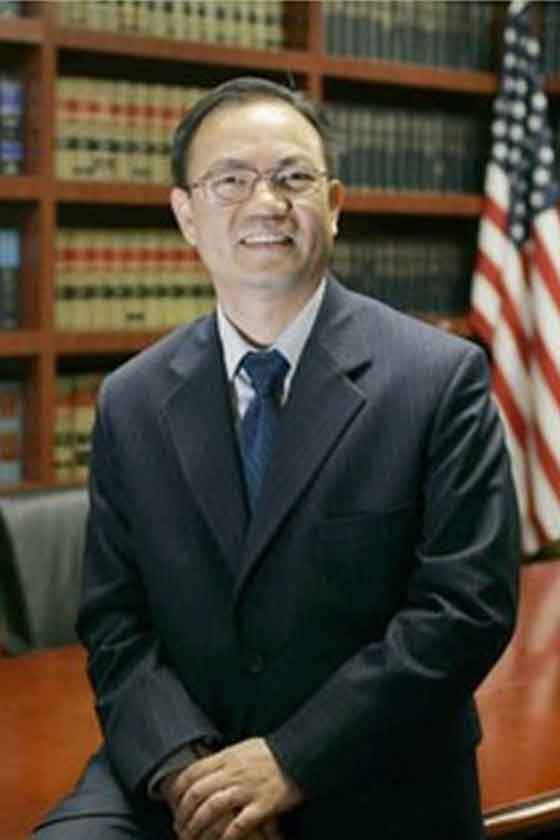
专精重大伤亡事故理赔及刑事辩护,联合全美最强的人体伤害诉讼及专家团队,为客户争取最高的赔偿。
- ⭐【邓洪説法】旧金山华裔再涉第二起家暴案!尚未开庭就遭ICE逮捕,面临驱逐出境!绿卡也保不住?
- 【邓洪説法】以个人伞状保险(Personal Umbrella Policy)保障资产:当标准汽车保险不足以应对重大事故时 | LAW OFFICE OF DANIEL DENG
- 【邓洪説法】了解 30/60 UMBI 要求:如何最大化您的无保险及保险不足驾驶人身体伤害保险 | LAW OFFICE OF DANIEL DENG
- 【邓洪説法】医疗给付保险 (Med Pay) 的「无过失」优势:为驾驶、乘客与行人支付紧急医疗费用 | LAW OFFICE OF DANIEL DENG
- ⭐【邓洪説法】领政府福利会影响绿卡?加州白卡、全民健保还能申请吗?没有白卡资格怎么办?华兴保险总裁张国兴Kenny现场解读!
打开微信,使用 “扫描QR Code” 即可将网页分享到我的朋友圈。
分享本页
打开微信,使用 “扫描QR Code” 即可将网页分享到我的朋友圈。


